Curious about San Sebastian’s rich past while planning your journey between Biarritz and San Sebastian? Learn how this iconic city, also known as Donostia in Basque, evolved from a medieval maritime hub into a glamorous cultural and culinary destination.
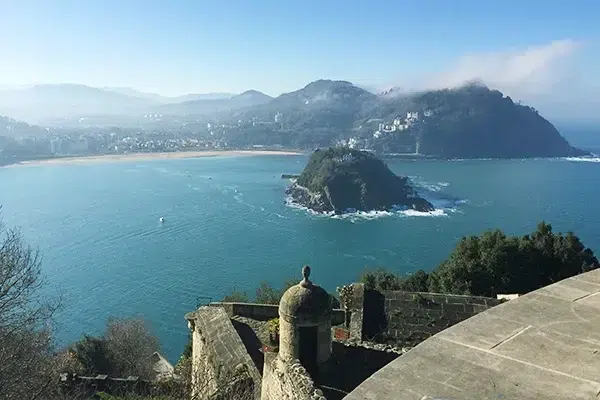
The History of San Sebastian (Donostia): From Medieval Times to Modern Splendor
Medieval Beginnings: A Strategic Maritime Hub
San Sebastian’s story begins in 1180, when King Sancho VI of Navarre founded the city. Strategically located on the Bay of Biscay, the settlement quickly grew into a vital port. The city was surrounded by imposing medieval walls, designed to defend against invasions and protect its flourishing trade routes.
A Key Player in Regional Trade
During the Middle Ages, San Sebastian became a bustling hub for maritime trade, connecting the Kingdom of Navarre with other European powers. Goods such as salt, wool, and iron passed through its ports, enriching the region and establishing the city’s prominence.
However, its strategic location also made it a target for frequent invasions. Pirates and rival powers, including the French, repeatedly attacked the city. The resilient citizens rebuilt time and again, solidifying their reputation for perseverance.
16th-18th Centuries: Resilience Amid Wars and Fires
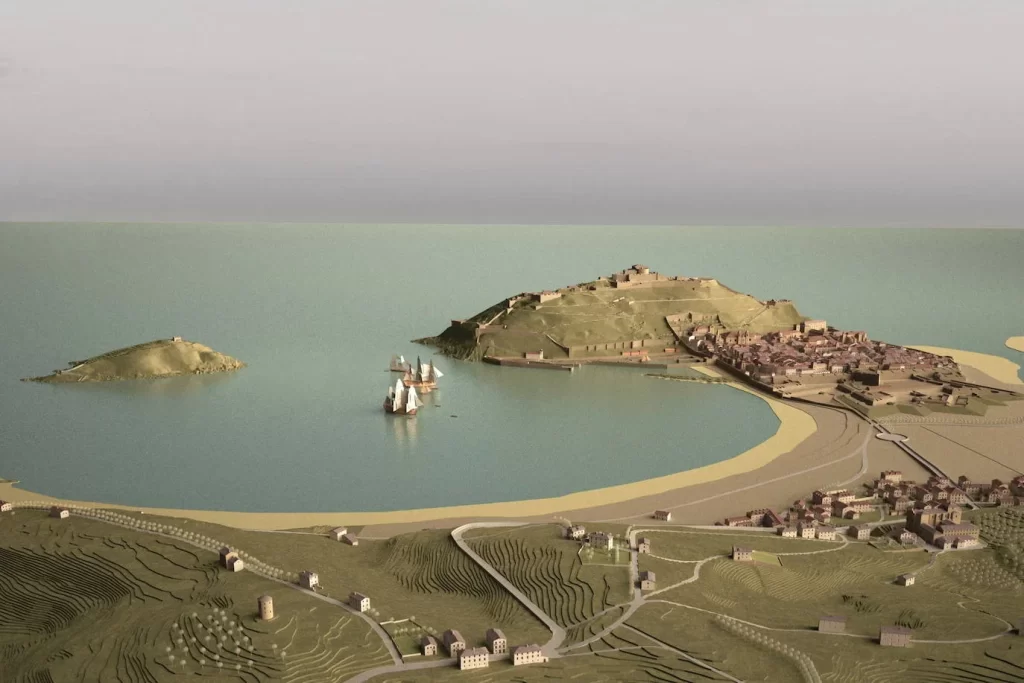
By the 16th century, San Sebastian had grown into a fortified coastal city. The period was marked by wars, fires, and rebuilding, each event shaping the city’s character.
The Siege of San Sebastian
One of the most devastating chapters occurred during the Peninsular War in 1813, when Anglo-Portuguese forces laid siege to the city. Much of San Sebastian was burned to the ground, sparing only a few key structures. The resilience of its people became legendary as they rebuilt the city from the ashes, laying the groundwork for its modern transformation.
19th Century Elegance: A Playground for Aristocracy
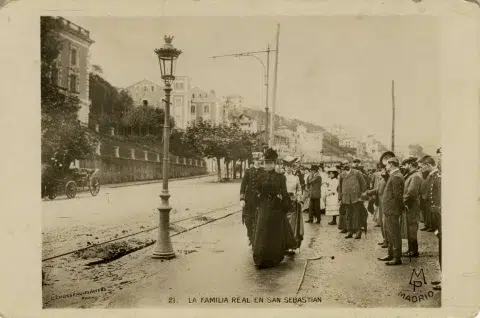
The 19th century ushered in a golden era for San Sebastian, transforming it from a recovering port city into a luxurious destination for European royalty and aristocracy.
Empress Eugénie’s Influence
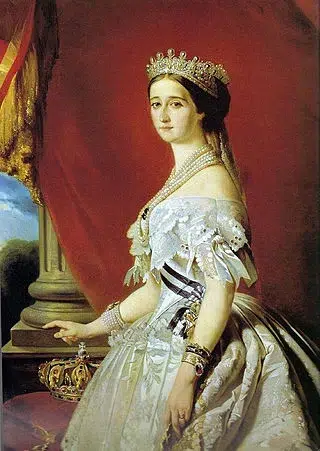
San Sebastian owes much of its glamour to Empress Eugénie de Montijo, wife of Napoleon III, who made the city her favored summer retreat. Her patronage attracted the European elite, establishing the city as a premier vacation destination.
Urban Transformation and Iconic Landmarks
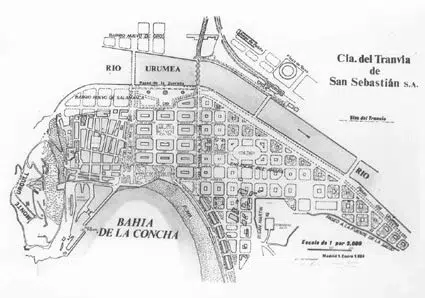
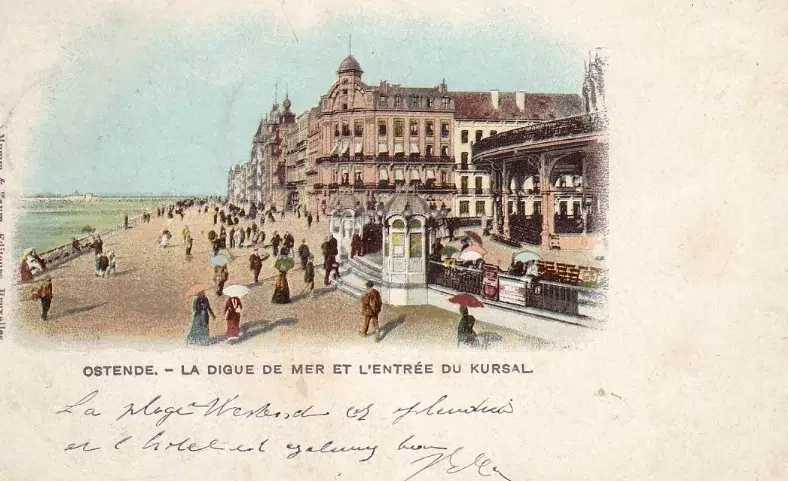
This period saw significant urban renewal. The city expanded beyond its medieval walls, with elegant boulevards and grand buildings replacing the old fortifications. Iconic landmarks such as the Maria Cristina Hotel and the Victoria Eugenia Theater, both opened in 1912, reflect the city’s belle époque grandeur.
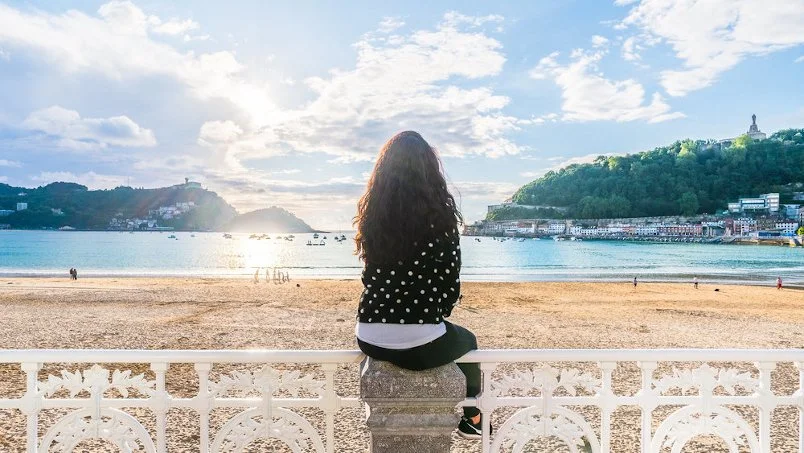
La Concha Beach, with its golden sands and azure waters, became a symbol of elegance and leisure, rivaling the famous promenades of the French Riviera.
- Visit the San Sebastian Tourism Office to learn more about its cultural offerings.
The Tumultuous 20th Century: Resilience and Revival
World Wars and Franco’s Regime
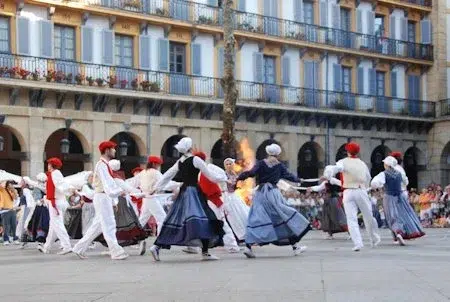
The 20th century was a period of both challenge and renewal for San Sebastian. While spared the worst physical destruction during the Spanish Civil War, the city endured the economic and cultural repression of Franco’s dictatorship. Despite these hardships, the Basque spirit and traditions flourished in defiance, keeping the essence of Donostia alive.
Post-War Revival and Culinary Renaissance
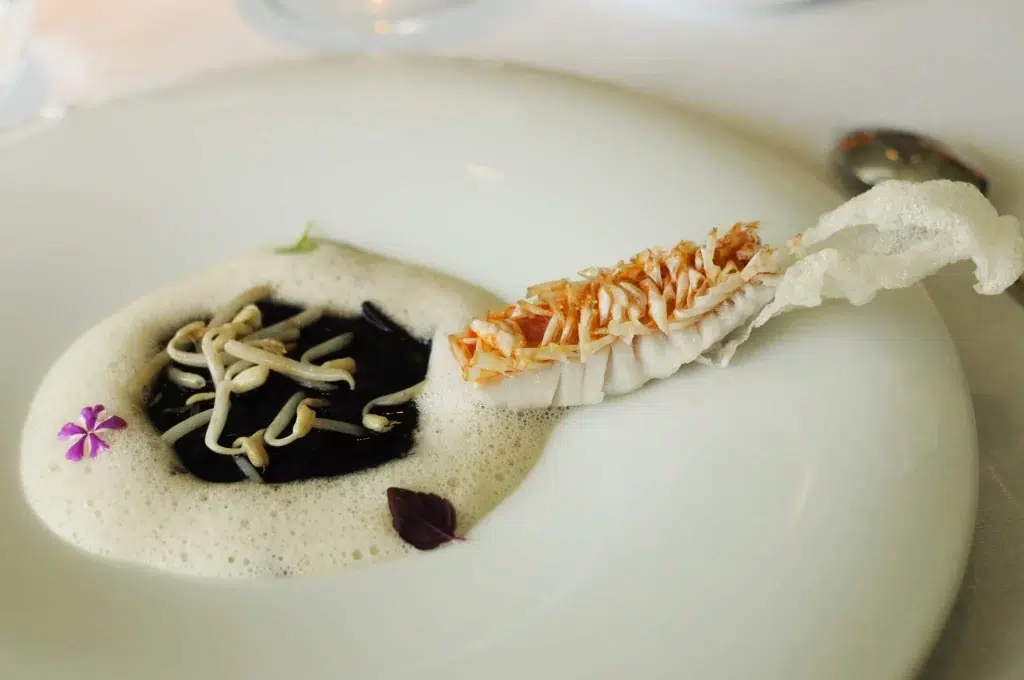
By the 1970s, San Sebastian experienced a cultural and culinary resurgence that placed it on the global map. Local chefs pioneered a new era of Basque gastronomy, blending traditional recipes with innovative techniques. This movement led to the city boasting one of the highest concentrations of Michelin-starred restaurants in the world, solidifying its status as a gastronomic powerhouse.
San Sebastian and the Basque Independence Movement
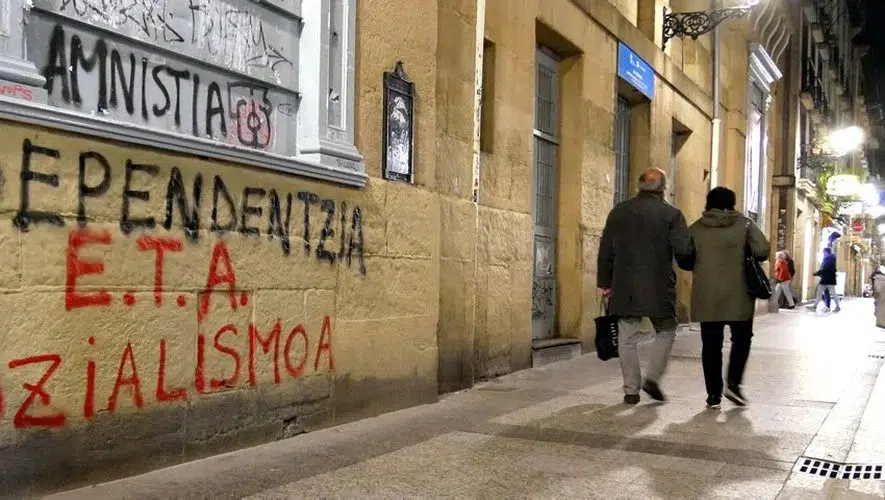
In the mid-20th century, San Sebastian became a focal point for the Basque independence movement, led by the militant group ETA (Euskadi Ta Askatasuna). Formed in 1959, ETA sought to preserve Basque cultural identity and achieve political autonomy, particularly during the oppressive Franco era (1939–1975), when the use of the Basque language (Euskara) and cultural expressions were banned.
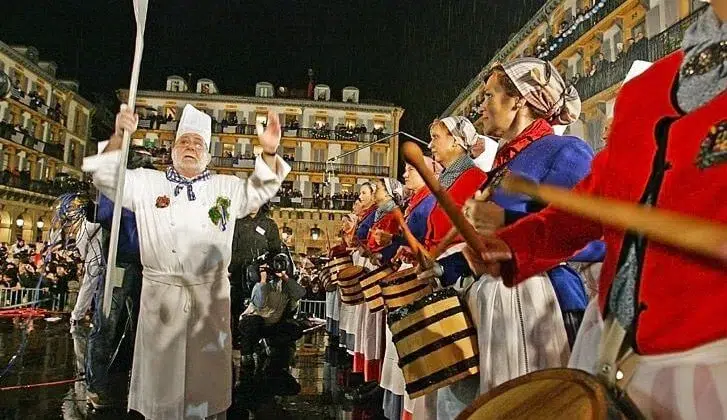
San Sebastian’s streets witnessed both political activism and moments of violence, making it a symbol of resistance and cultural pride. Despite the turbulence, the city’s vibrant Basque culture thrived, with events like the Tamborrada Festival and a burgeoning culinary scene serving as outlets for resilience.
In 2011, ETA declared a permanent end to armed conflict, marking a turning point in the Basque Country’s history. Today, San Sebastian stands as a testament to the enduring strength of its people and their commitment to peace and cultural preservation.
Landmarks That Define San Sebastian’s History
Miramar Palace
Built in the late 19th century as a summer residence for the Spanish royal family, the Miramar Palace offers breathtaking views over La Concha Bay. Its lush gardens and regal architecture make it a must-see for history and architecture enthusiasts.
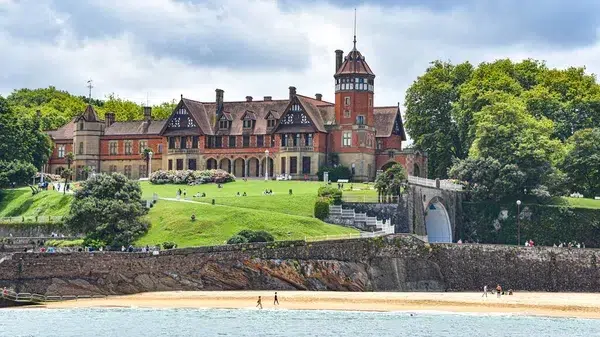
Monte Urgull and the Sacred Heart Statue
Monte Urgull stands as a testament to San Sebastian’s medieval roots. This historic hill is home to ancient fortifications and the imposing Sacred Heart statue, erected in 1950. The site offers panoramic views of the city and its coastline, making it a favorite for visitors.
The Old Town (Parte Vieja)
San Sebastian’s Old Town is the heart of its cultural and historical heritage. Wander through its narrow streets lined with traditional pintxos bars, historic churches like the Basilica of Santa Maria, and bustling markets. It’s a living museum of Basque tradition and resilience.
- Explore more about Monte Urgull on TripAdvisor for tips on visiting this iconic site.
San Sebastian Today: Where Tradition Meets Modernity
Today, San Sebastian masterfully blends its historical charm with modern vibrancy. From hosting the San Sebastian International Film Festival to organizing events like Semana Grande and the Jazzaldia Jazz Festival, the city continues to shine as a cultural beacon.
For travelers, San Sebastian offers an array of unforgettable experiences—from its world-class cuisine to its pristine beaches, such as La Concha and Zurriola. It’s a city where history, culture, and luxury come together seamlessly.stronomy. Signature events like the International Film Festival and Semana Grande highlight its vibrant spirit.
FAQ: Frequently Asked Questions About San Sebastian’s History
Q: When was San Sebastian founded?
A: San Sebastian was established in 1180 by King Sancho VI of Navarre as a strategic port city.
Q: What makes San Sebastian famous today?
A: San Sebastian is renowned for its world-class cuisine, pristine beaches, and rich Basque culture.
Q: How can I travel from Biarritz to San Sebastian?
A: A private car service offers a comfortable and efficient way to travel between these two iconic cities.
Q: What are the must-visit landmarks in San Sebastian?
A: Don’t miss the Miramar Palace, Monte Urgull, and La Concha Bay for a perfect blend of history and scenery.
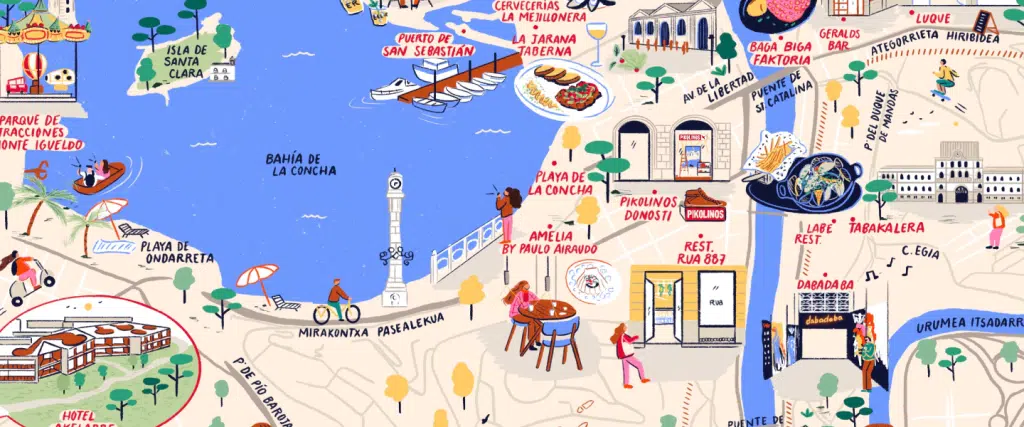
Quick Links to Explore More About San Sebastian
Biarritz chauffeur services: Start your Basque journey in comfort and style.
San Telmo Museum: A treasure trove of Basque history and culture.
Miramar Palace: Explore royal luxury and breathtaking views.
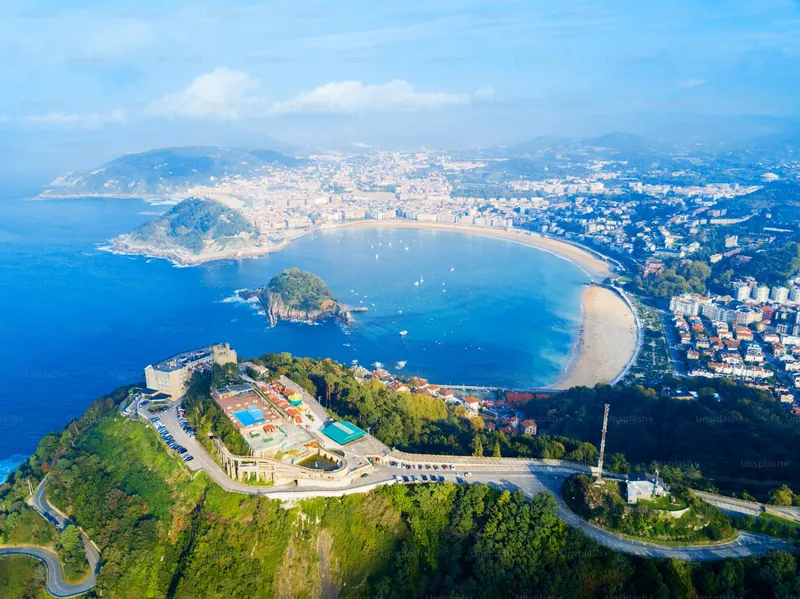
San Sebastian history
Curious about San Sebastian’s rich past while planning your journey between Biarritz and San Sebastian?…
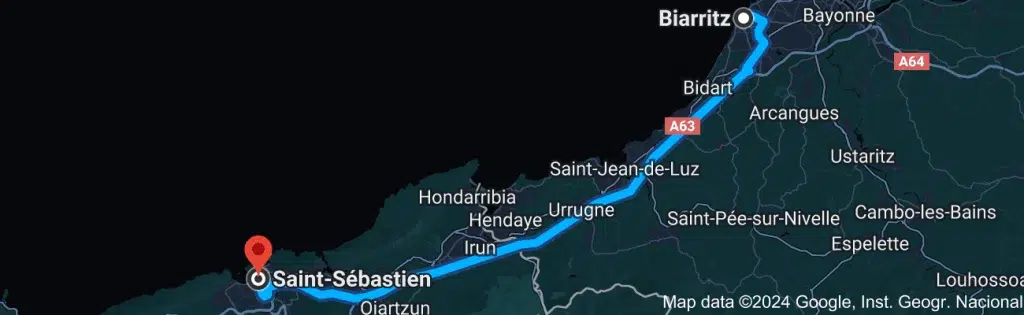
How to travel from Biarritz to san sebastian
Thinking of traveling from Biarritz, the charming seaside town of the French Basque Coast, to…
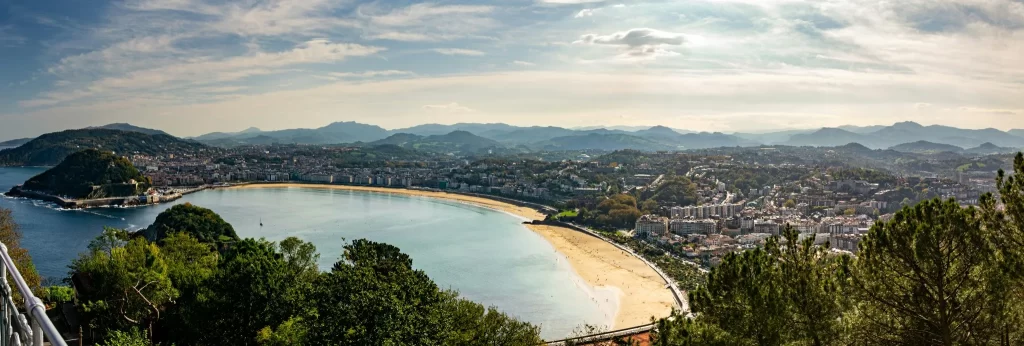
What to Do in San Sebastian
Here are useful informations before planning your visit : What to do in San Sebastian…